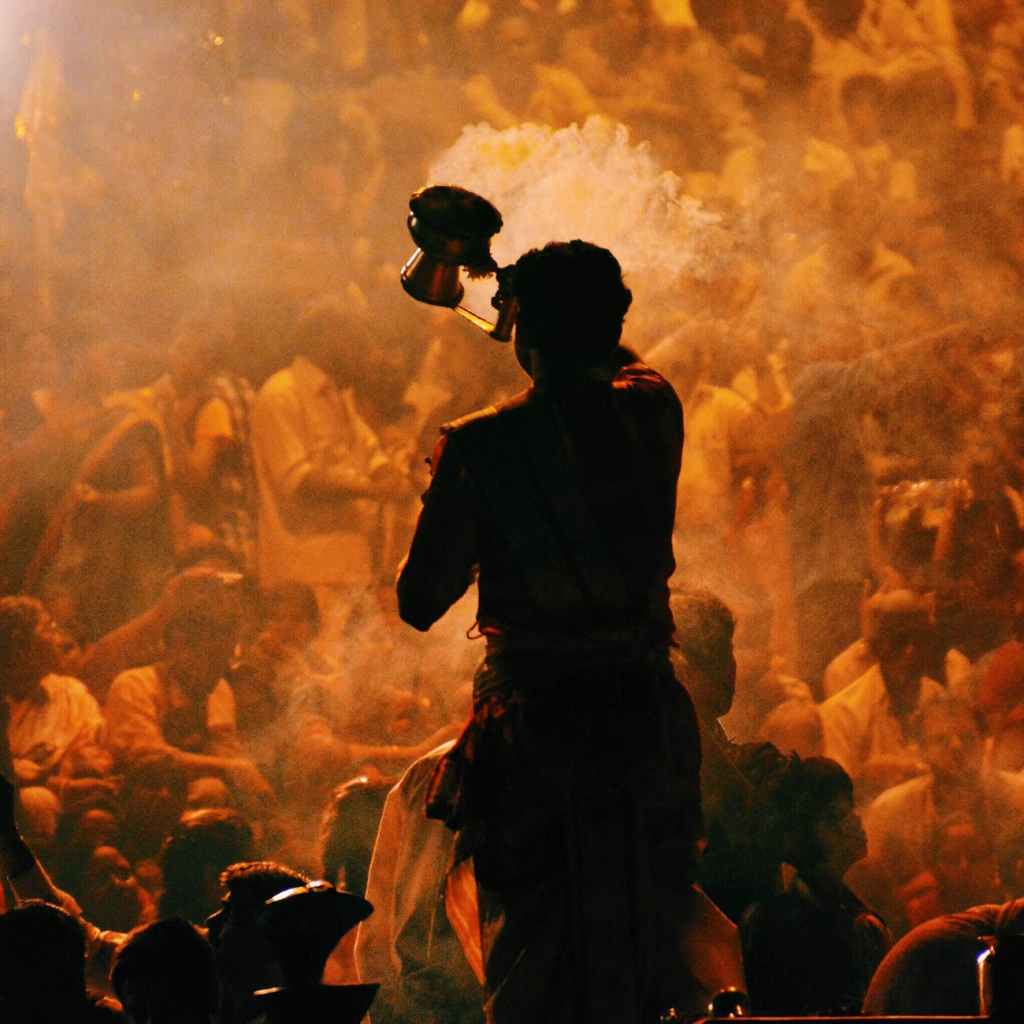
Shamans serve as mediators between the physical and spiritual realms.
They did this by employing shamanic practices, beliefs, and rituals.
This is what it is to practice shamanism.
Key Aspects
Shamanic Initiation
One of the key aspects of shamanism is the initiation process through which individuals are trained and empowered to fulfill their roles as shamans.
The initiation process in shamanism is a profound and transformative journey that prepares individuals to fulfill their roles as shamans.
This process involves several key aspects, including:
- spiritual transformation
- training
- empowerment
Spiritual Transformation
The initiation process often begins with a spiritual transformation, where the individual undergoes a symbolic death and rebirth.
This transformation is crucial as it signifies the end of their old way of being and the beginning of their new life as a shaman.
This process can be deeply personal and may involve intense experiences that help the individual connect with the spiritual world.
Training and Learning
Shamanic training is comprehensive and involves learning various ancient practices that connect deeply with the natural world and unseen forces. This training often includes:
Journeying and Trance States
Shamans learn to enter trance states to communicate with spirits, often through techniques like drumming, chanting, or the use of entheogens.
These practices help them access altered states of consciousness where they can receive guidance and healing insights.
Rituals and Ceremonies:
Shamans are trained in various rituals and ceremonies that are essential for their practice.
These rituals can include healing ceremonies, divination practices, and communal rites that help maintain the balance between the physical and spiritual worlds.
Connection with Nature
A significant part of shamanic training involves developing a deep connection with nature.
Shamans often work with medicinal plants and learn to harness their healing properties.
This connection is not just physical but also spiritual, as they often communicate with the spirits of plants and animals.
Empowerment
Empowerment in shamanism comes from both internal and external sources.
Internally, shamans develop their inner wisdom and personal freedom, which are essential for their role as healers and spiritual guides.
Externally, they receive guidance and protection from spirit allies, who empower them in their healing and divination practices.
Modern Adaptations
In modern times, the role of shamans has evolved, but the core principles of their initiation process remain largely unchanged.
Modern shamanism continues to emphasize personal development, spiritual growth, and the ability to heal oneself and others.
This adaptability allows shamanic practices to remain relevant in contemporary society, addressing emotional and spiritual imbalances through various healing techniques.
In summary, the initiation process in shamanism is a multifaceted journey that involves spiritual transformation, comprehensive training, and empowerment from both internal and external sources.
This process prepares individuals to fulfill their roles as healers, spiritual guides, and keepers of tradition within their communities.
Shaman initiation rituals play a crucial role in shaping the identity and abilities of shamans in different societies.
These rituals are designed to mark the transition of an individual from a regular member of society to a designated spiritual leader with special powers and responsibilities.
The initiation process often involves strict training, tests of endurance, and encounters with spiritual entities.
Through these experiences, initiates are believed to gain knowledge, wisdom, and spiritual connection necessary to carry out their shamanic duties.
Origins of Shaman Initiation
Shaman initiation rituals have deep historical roots across various cultures.
Norwegian shaman initiation rituals were heavily influenced by Norse mythology and the concept of the spirit world, known as the “Otherworld.”
Shamans in Norwegian culture were believed to possess magical abilities that allowed them to communicate with the gods and spirits, leading to complex initiation processes to ensure their efficacy as spiritual guides.
Shamans in Norwegian culture were said to possess Spiritual abilities that allowed them to communicate with the gods and spirits, leading to complex initiation processes.
Norwegian Shamanic Traditions
Norwegian shamanic traditions are deeply rooted in the indigenous culture of the Sámi people, who have practiced shamanism for centuries.
Norwegian shamanic traditions are an integral part of the cultural heritage of the Sámi people, who have inhabited the northern regions of Norway, Sweden, Finland, and Russia for thousands of years.
Sámi People
Shamanism plays a central role in the Sámi worldview, encompassing spiritual beliefs, healing practices, and a deep connection to the natural world.
Connection to Nature:
Norwegian shamanic traditions emphasize a profound connection to nature, viewing the natural world as sacred and alive with spiritual energy.
Shamans in Norway often seek guidance and healing from the spirits of the land, animals, and elements.
By communing with nature, practitioners of Norwegian shamanism cultivate a deep sense of harmony and balance between the human and non-human realms.
Journeying and Trance States
Journeying is a form of spiritual travel that involves entering trance states to access alternate realities and communicate with spirit guides.
Shamans often use drumming, chanting, or other techniques to induce altered states of consciousness, allowing them to gain wisdom, insight, and healing from the spirit world.
Ancestral Spirits and Lineage
Shamans seek guidance and support from their ancestors, honoring their wisdom and gifts as they navigate the spiritual realms.
By forging strong relationships with ancestral spirits, practitioners draw strength and protection from their lineage connections.
Healing Practices:
Practitioners employ various techniques to address physical, emotional, and spiritual imbalances.
They use energy work, herbal medicine, ritual ceremonies, or other methods to facilitate healing and transformation.
By working with spirit allies and ancestral guides, practitioners of Norwegian shamanism bring about holistic healing and wellness.
Rituals and Ceremonies:
Serving as a means to honor the spirits, connect with the divine, and create sacred space for spiritual work.
They perform rituals for healing, protection, blessings, or other purposes, using symbols, objects, and invocations to evoke spiritual power and presence.
Symbolic meanings behind the rituals and ceremonies performed during Norwegian shaman initiation:
Drumming and Chanting:
Drumming and chanting are key components of Norwegian shamanic ceremonies, as they help to create a trance-like state that allows the shaman to communicate with the spiritual realm.
The rhythmic beating of the drum and repetitive chanting are symbolic of the heartbeat of Mother Earth and the interconnectedness of all living beings.
Vision Quests:
Vision quests are a common practice in Norwegian shamanism, where the shaman seeks guidance and spiritual insight through meditation and communing with nature.
The vision quest represents a journey of self-discovery and transformation, as the shaman undergoes a period of introspection and reflection to gain clarity and wisdom.
Animal Spirit Guides:
Animal spirit guides play a significant role in Norwegian shamanism, as they serve as protectors, teachers, and sources of power for the shaman.
The presence of animal spirit guides during initiation ceremonies symbolizes the interconnectedness of all living beings and the importance of harmony and balance in the natural world.
Fire Ceremonies:
Fire ceremonies are often used in Norwegian shamanic rituals to purify and cleanse the shaman, as well as to connect with the element of fire as a source of transformation and renewal.
The act of lighting a fire symbolizes the initiation process itself, as the shaman undergoes a journey of purification and rebirth to emerge stronger and with a deeper connection to the spiritual realm.
Rituals of Passage:
Rituals of passage mark important milestones in the shaman’s journey, such as receiving a spirit name, making a vow of service to the community, or undergoing a symbolic death and rebirth.
These rituals symbolize the shaman’s commitment to their spiritual path and their willingness to serve as a healer, mediator, and guide for their community.
Examine the role of initiation in shaping the spiritual and healing abilities of shamans.
Cultural Variations in Shaman Initiation
Hindu saint Ramakrishna was once asked, “How can one get rid of their lower self?” He responded, “Just as a blossom naturally withers away as the fruit grows, your lower self will also disappear as the divine within you strengthens and grows.”
INITIATION BY ELDER OR SPIRIT
Being severely damaged or wounded almost always initiates a “Calling” and often accelerates the emergence of the “Shamanic Archetype”, embedding itself into the unconscious.
Shaman: Humanities Origin
Shamanism is the origin from which humanity’s different spiritual disciplines emerged. The earliest known sources of modern psychotherapy in history are rooted in archaic shamanism.
Communicating With Spirits
Shamanism is a spiritual practice that involves communicating with spirits, ancestors, and other entities through altered states of consciousness. It is found in cultures all over the world, including those in Africa, Asia, Europe, and the Americas.
Spiritual Mediator Between Realms
In shamanism, the shaman serves as a mediator between the physical and spiritual worlds. By tapping into the spiritual realm, the shaman can gain insights and wisdom that can be used to help heal physical and emotional ailments.
Paleolithic Era
The earliest known forms of shamanism can be traced back to the Paleolithic era, which lasted from about 2.6 million years ago to around 10,000 BCE. During this time, humans began to develop spiritual beliefs and practices, including shamanism.
Shamanism played a significant role in many ancient cultures. For example, in Siberia, the shamans were known as the “chosen ones” and were considered to have the power to heal sickness, predict the weather, and communicate with the spirits of the dead.
Modern Psychotherapy
In addition to its spiritual aspects, shamanism has also been found to have therapeutic benefits. Modern psychotherapy, which aims to help individuals overcome emotional and mental health issues, has its roots in archaic shamanism.
Modern Psychology
For example, guided imagery, visualization, and meditation are all techniques that have been used by shamanic practitioners for thousands of years to access deeper levels of consciousness and heal psychological and emotional wounds.
In therapy, these techniques are often used to help clients access unconscious material and work through unresolved issues and traumas. Additionally, the use of ritual, storytelling, and symbolism in shamanic practices also has parallels in modern psychotherapy, particularly in narrative therapy and cognitive-behavioral therapy.
Overall, the shamanic worldview emphasizes the interconnectedness of all things and the importance of spiritual and emotional well-being in healing physical and mental illness. These values are increasingly becoming recognized in mainstream psychological practice, highlighting the potential for shamanic practices to inform and enhance modern therapeutic approaches.
Resources
1. Mircea Eliade – Shamanism: Archaic Techniques of Ecstasy
• A comprehensive study of shamanic practices across various cultures, focusing on initiation rituals and ecstatic experiences.
• Read online
2. Michael Harner – The Way of the Shaman
• A seminal work introducing core shamanic practices, including initiation and healing techniques.
• Read online
3. Barbara Tedlock – The Woman in the Shaman’s Body
• Explores the integral role of women in shamanic traditions, emphasizing their participation in initiation rituals.
• Read online
4. Joan Halifax – Shaman: The Wounded Healer
• Discusses the archetype of the wounded healer within shamanism, detailing initiation processes and their transformative aspects.
• Read online
5. Paul Stoller – In Sorcery’s Shadow
• A memoir detailing the author’s apprenticeship among the Songhay of Niger, providing firsthand insight into shamanic initiation.
• Read online
6. Arnold van Gennep – The Rites of Passage
• Introduces the concept of rites of passage, foundational for understanding initiation rituals in various cultures.
• Read online
7. Victor Turner – The Ritual Process
• Examines the structure of rituals, including initiation rites, and introduces the concept of liminality.
• Read online
8. Michael Winkelman – Shamanism: A Biopsychosocial Paradigm of Consciousness and Healing
• Analyzes shamanism through biological, psychological, and social lenses, discussing initiation as a transformative process.
• Read online
9. Marjorie Mandelstam Balzer – Shamanic Worlds: Rituals and Lore of Siberia and Central Asia
• Provides an in-depth look at shamanic practices and initiation rituals specific to Siberia and Central Asia.
• Read online
10. Piers Vitebsky – The Shaman
• Offers a global perspective on shamanic practices, including detailed accounts of initiation ceremonies.
• Read online
These resources should provide a solid foundation for your research into shamanic initiation rituals.